The Magic of Eternal Vessels
The Art of Collecting Fine Vases between History, Connoisseurship, and Material Craftsmanship
Historically, artistic vases and vessels have transcended their utilitarian functions as mere static receptacles for botanical arrangement. They endure as material mirrors of entire epochs—theological and aesthetic stages where the mastery of artisans, the patronage of monarchs, and the visual philosophies of artists converge to capture absolute beauty. The connoisseurship of collecting antique and contemporary fine vases extends far beyond the boundaries of transient interior decor; it operates as a rigorous, investment-driven pilgrimage through the history of material culture, seeking that precise sculptural equilibrium that endows architectural space with a living, breathing soul.
Within the domains of elite antiquities and fine arts, connoisseurs and institutional curators classify these eternal vessels into distinct artistic universes, seamlessly bridging historical provenance with modern formal experimentation.
I. Historical Opulence:
Classical Porcelain and Imperial Antiquities
Vases born from rare porcelain formulas, hand-painted glazes, or historical kilns form the foundational bedrock of world-class museum collections and prestigious private estates. Characterized by a compound appreciation of both material and historical value over centuries, these pieces carry the pristine visual vernacular of imperial courts and canonical academies:
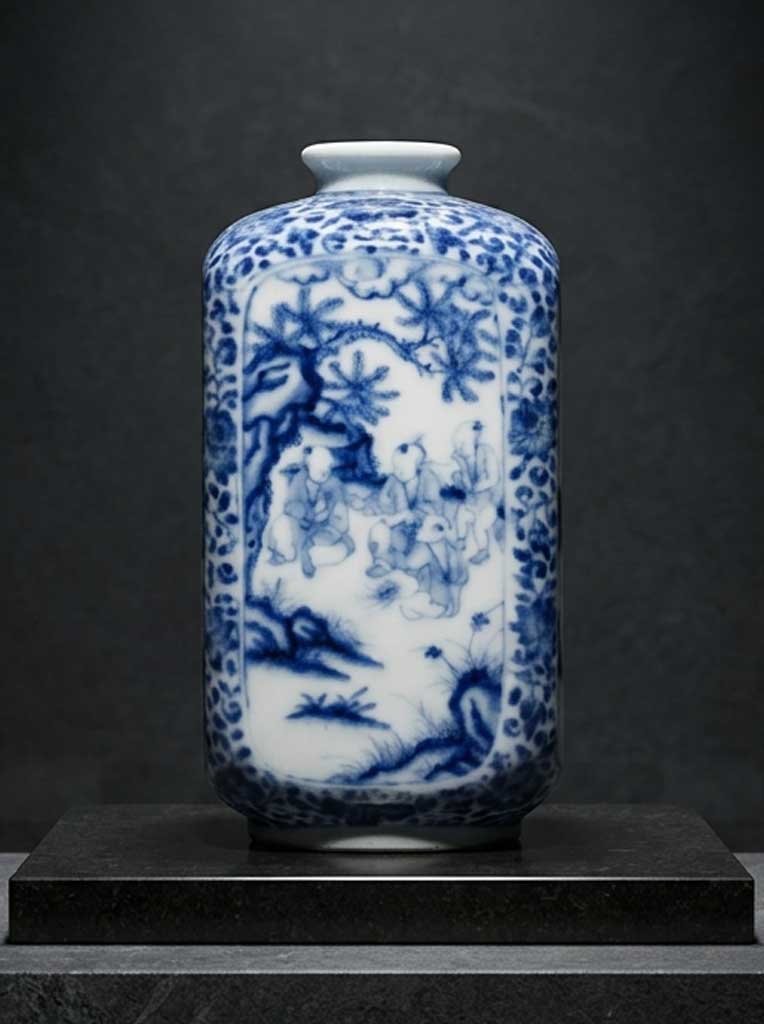
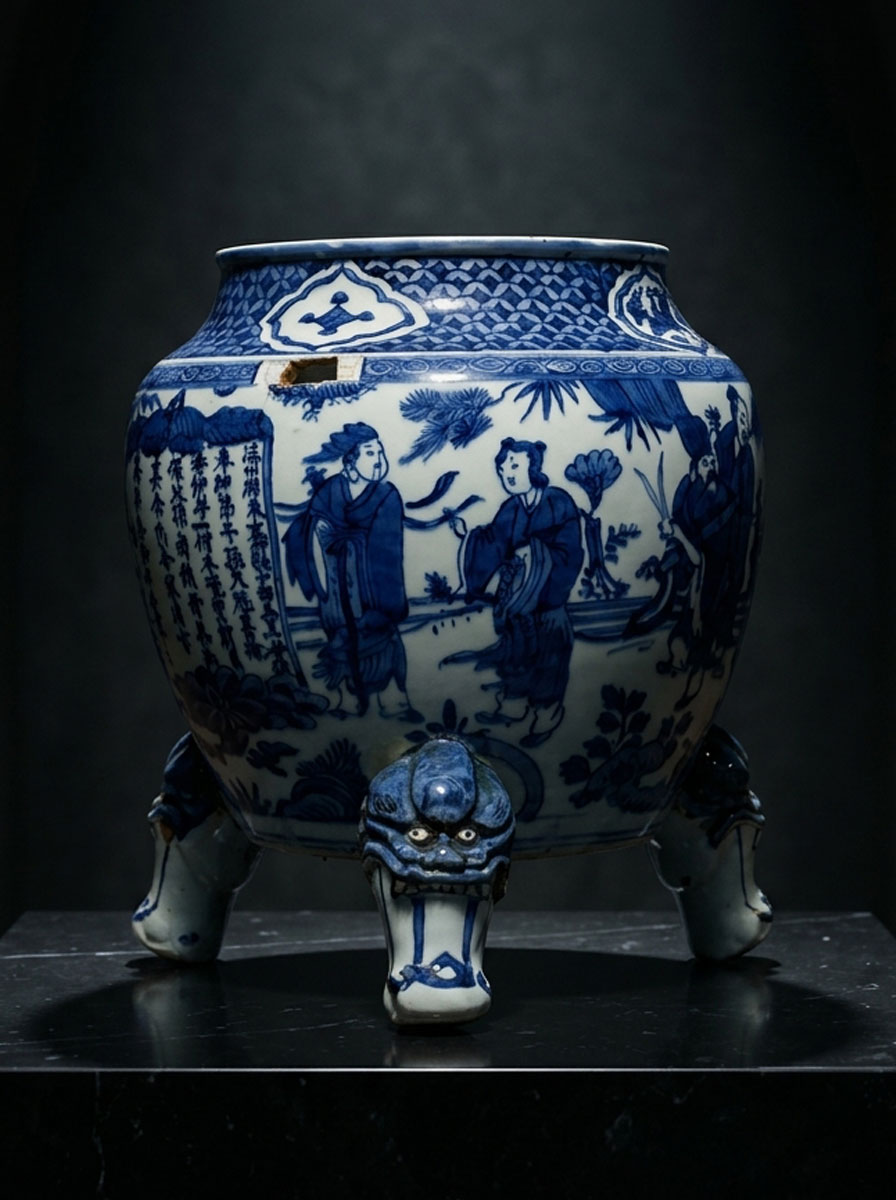
- The Blue & White Typologies (Cobalt Glazes): Eternal masterworks that embody the sophisticated material heritage of the Chinese imperial dynasties, most notably the Ming and Qing eras. Characterized by their noble, fluid underglaze cobalt patterns, these vessels possess a timeless formal versatility that harmonizes with both classical and minimalist modernist interiors.
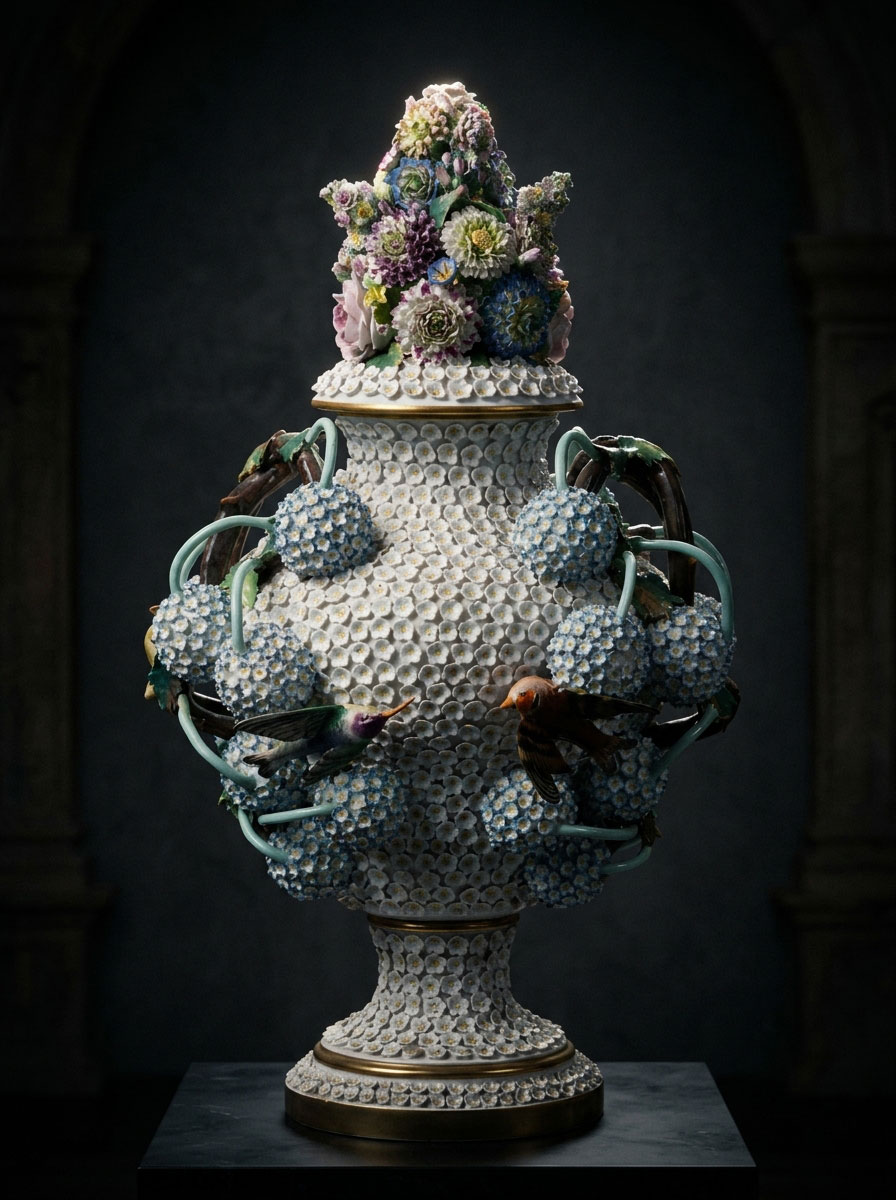
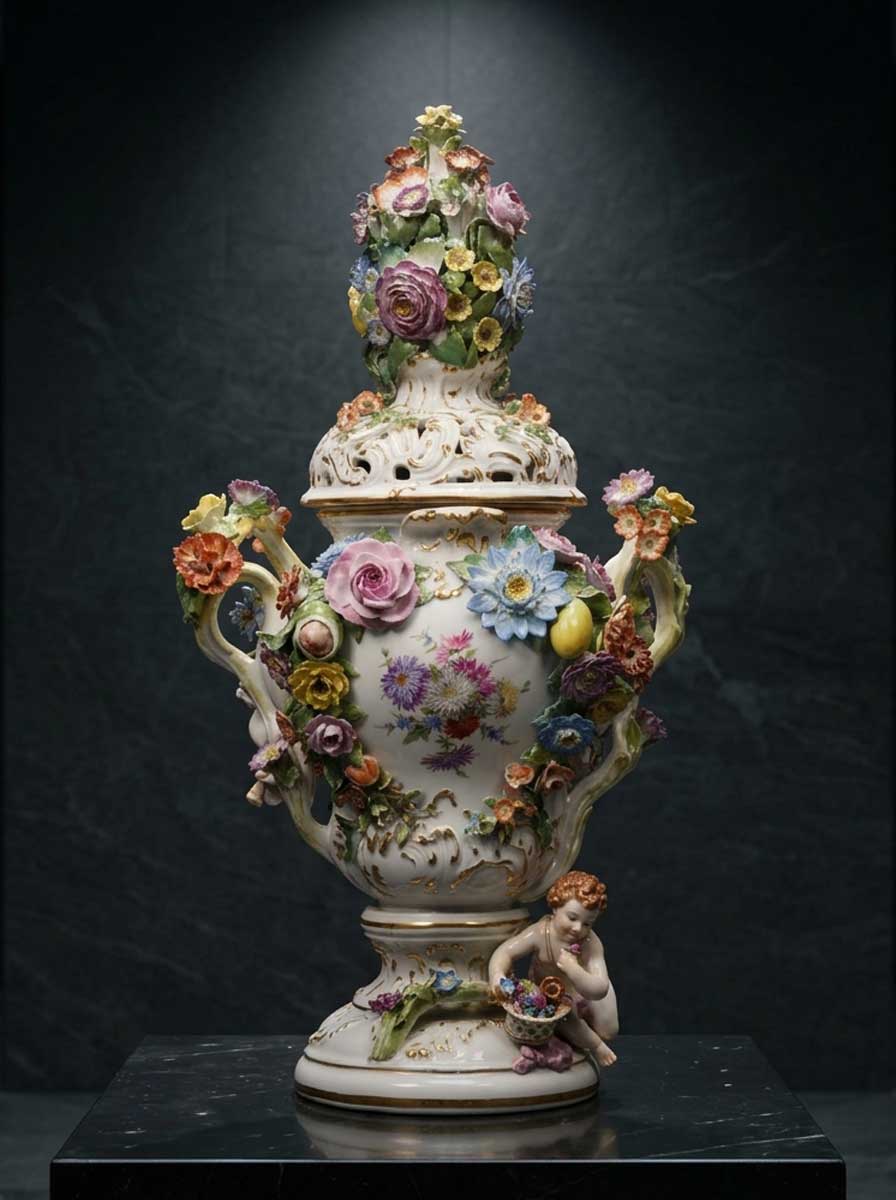
- Antique European Porcelain: Rare, monumental creations bearing the hallmarks of the world’s most prestigious royal manufacturers, such as the French National Manufactory of Sèvres or the German House of Meissen. Their aesthetic prestige culminates in intricate, hand-chased relief work, narrative cartouches, and meticulous, hand-applied genuine gold leaf gilding executed with breathtaking academic precision.
![]()
Archival views of a Chinese Ming Dynasty blue-and-white porcelain vessel and an 18th-century German Meissen porcelain vase. This presentation demonstrates the long-term investment and museum-level valuation of imperial porcelain, rooted in historic preservation and capital security.
II. Contemporary Craftsmanship:
Studio Ceramics and Sculptural Minimalism
Conversely, the gaze of contemporary collectors is increasingly arrested by avant-garde vessels possessing a distinct tectonic and sculptural identity. These objects are curated and appraised not as functional containers, but as autonomous, free-standing sculptures that dominate the space even in the total absence of floral accompaniment:
- Studio Pottery (The Artisanal Hand): Unique, singular pieces bearing the distinct physical imprint and gestural signature of the individual ceramicist. These vessels celebrate earthy, organic textures, tactile imperfections, and non-linear silhouettes that communicate the authenticity of the empirical firing process and the unadulterated truth of the raw clay.
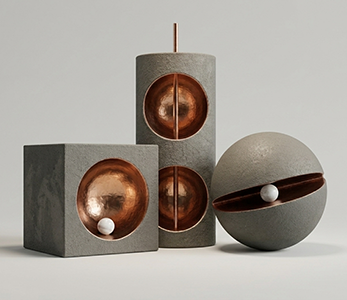
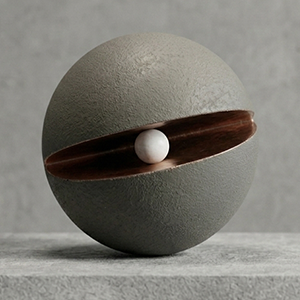
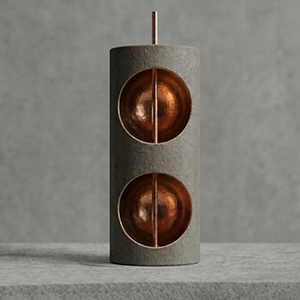
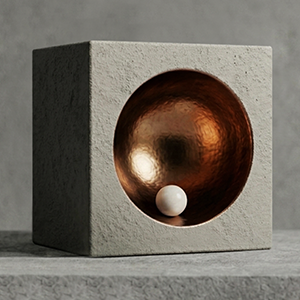
- Minimalist Sculptural Design: Mesmerizing structural configurations executed in unglazed terracotta, matte porcelain, or structurally treated geometric plaster. These compositions are tailor-made for contemporary architectural spaces, operating as severe, monochromatic visual anchors that manipulate volume, shadow, and negative space.
![]()
III. Chromatic Radiance:
Blown Glass and Fine Murano Glassware
Integrating translucent, light-retentive materials like stained glass, lead crystal, or chalcedony into a curated collection introduces an ephemeral, kinetic vitality to the space due to the material’s supreme capacity to refract and interact with shifting natural illumination:
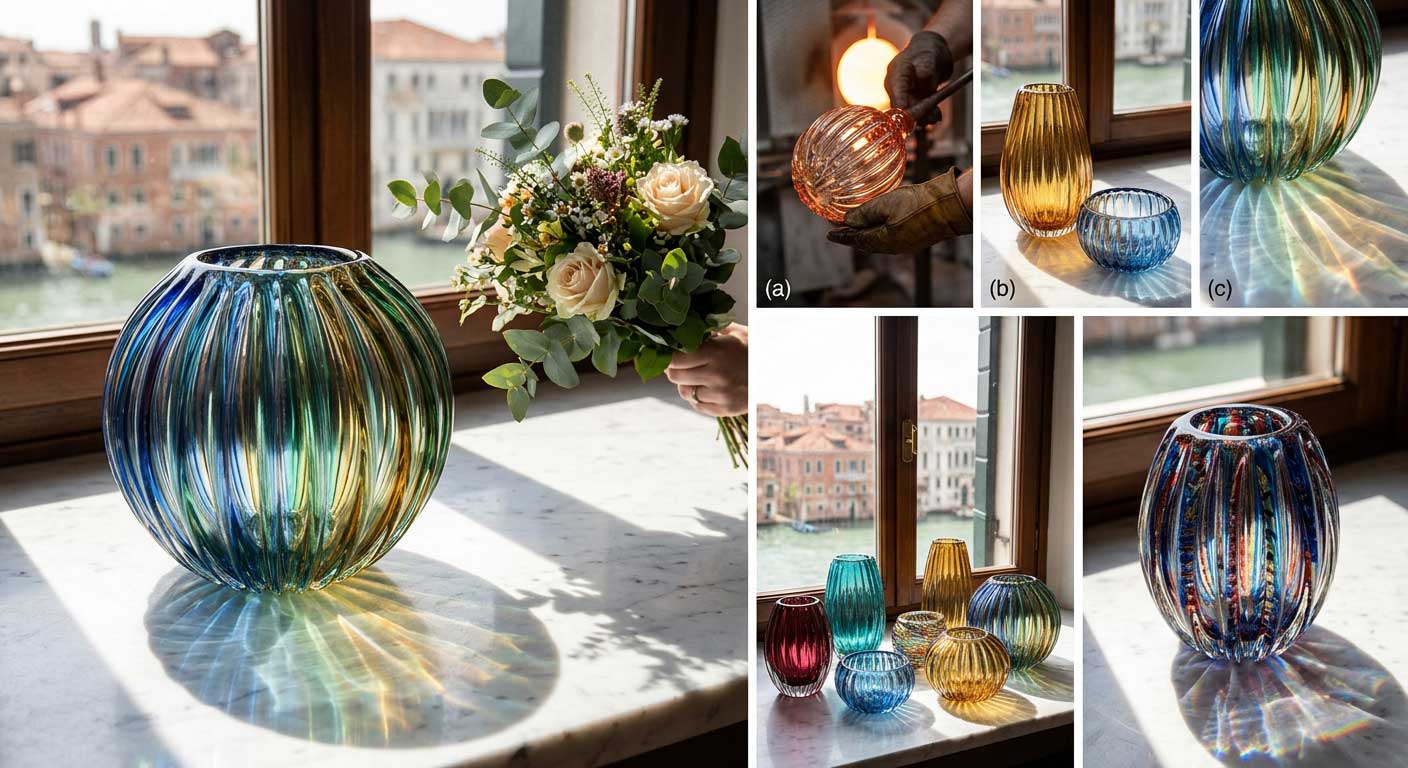
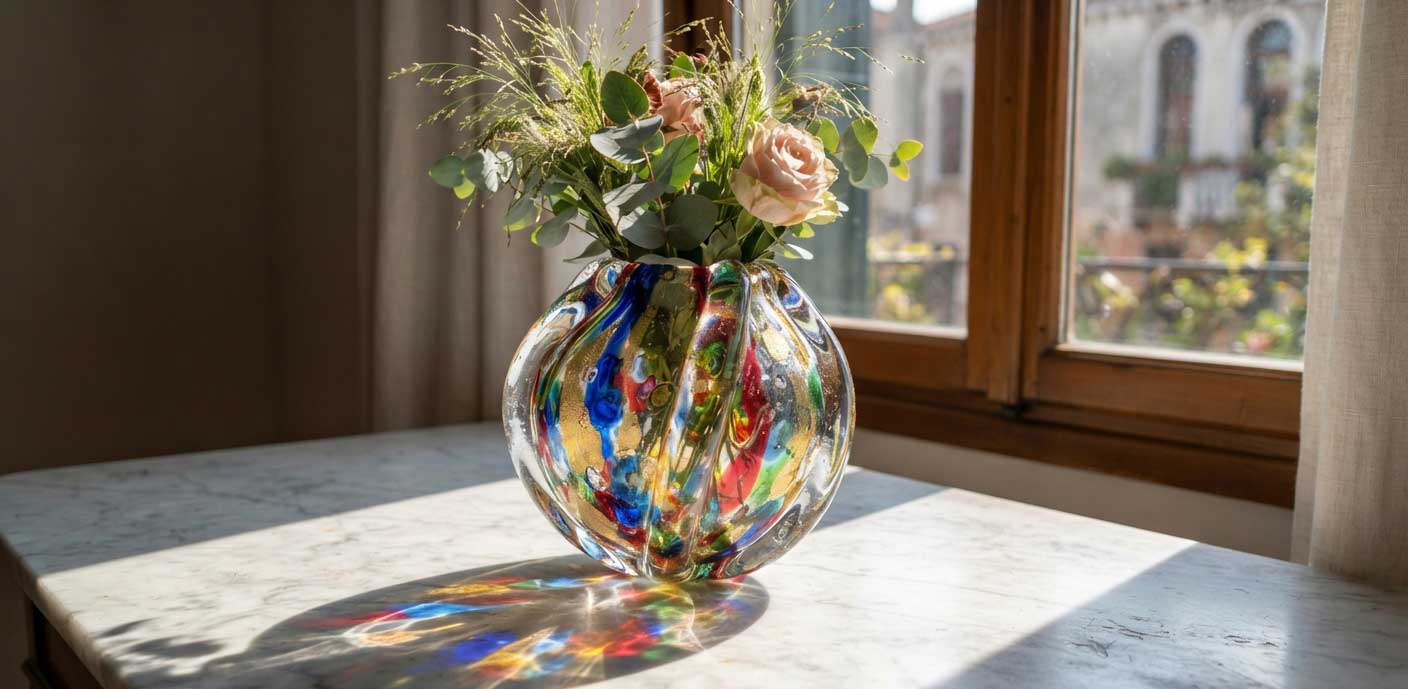
- Murano Glass (The Venetian Legacy): Legendary Italian vessels mouth-blown and hand-sculpted on the historic island of Venice. Renowned globally for their intense, layered coloration, complex canes (murrine), and daring, fluid silhouettes, these pieces capture and bend light with rare, virtuoso artistic bravura.
- Ribbed and Blown Glass: Artifacts distinguished by internal air bubbles (pulegoso), structural fluting, and complex exterior undulations. They serve as the ideal curatorial choice to insert a sense of weightlessness, transparency, and optical movement, cutting through the dense density of solid, opaque media.
![]()
A visual study in the kinetic interaction between shifting natural light and historic Venetian mouth-blown glass. The structural undulations and internal air bubbles act as optical lenses, refracting shadows to shatter spatial rigidity and dissolve opaque interior volumes.
Strategic Curation:
Rules for Compiling an Elite Collection
- Architectural Variance in Scale and Elevation: When orchestrating the spatial presentation of a collection, curators must deliberately juxtapose monumental floor vases with medium tabletop vessels and delicate miniature shelf objects. This structural variance establishes an engaging, rhythmic visual cadence that guides the observer’s gaze.
- The Celebration of Contrasts (Tactile Texture): Sophisticated curation demands a deliberate juxtaposition of high-gloss, ultra-reflective vitrified glazes next to raw, unglazed, and coarsely textured matte surfaces, creating a rich sensory tension that elevates the surrounding architecture.
- Provenance and Curatorial Authentication: For collections compiled with serious investment objectives, verifying the manufacturer’s backstamp, the underglaze mark, or the artist’s inscribed incised signature at the base of the vessel remains the absolute prerequisite for cementing the piece’s historical authenticity and long-term auction-room valuation.
![]()
Vessels Safeguarding the Breath of Epochs
The connoisseurship of collecting fine vases and artistic vessels is far from a superficial exercise in transient interior decoration; it is an act of acquiring fragments of human aesthetic evolution. Every exceptional vessel poised upon a gallery plinth or an estate table stands as the silent guardian of an artisan’s historic labor—breathing, refracting, and reflecting the light to ensure that absolute luxury and authentic provenance remain resilient against the passage of time.
![]()
![]()